Chinese
 English
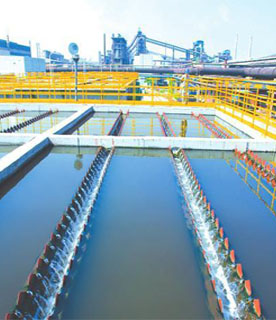
With the rapid development of industry, more and more waste water is produced in the production process. Among them, the discharge of fluorine-containing waste water is increasing, and its impact on the natural environment is increasing, and it also causes drinking water source pollution. Too much fluoride can cause chronic diseases such as dental fluorosis and skeletal fluorosis; severely it can cause human and animal poisoning. Excessive fluorine in the wastewater penetrates into the soil, and then transfers from the soil to the plants, causing plant growth obstacles. Fluorine-containing wastewater cannot meet the discharge requirements, so the wastewater must be treated. Enterprises that produce fluorine-containing wastewater must implement relevant environmental protection regulations for wastewater treatment to ensure that all effluent indicators meet the requirements of national and local water quality standards.